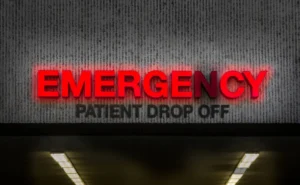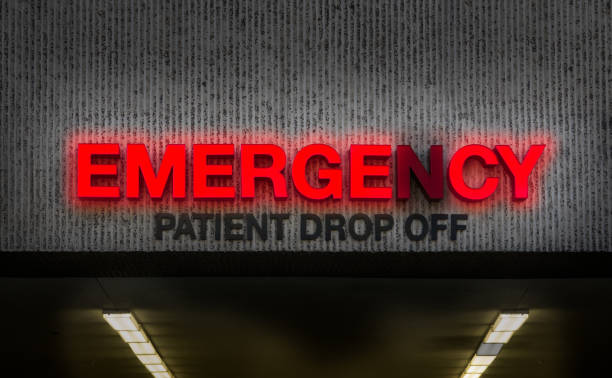
An emergency room visit can be frightening, especially when a patient is dealing with severe pain, a sudden injury, or symptoms of a serious illness. People depend on medical professionals to recognize warning signs, make sound decisions, and provide treatment without unnecessary delays. When a preventable mistake occurs, the consequences can affect a patient’s health, finances, and ability to return to everyday life.
For families in Baltimore, understanding the signs of emergency room negligence can help them make informed decisions after an unexpected medical outcome. Baltimore emergency room error lawyers can help patients investigate whether a medical mistake may have violated accepted standards of care. Knowing which errors commonly occur and what evidence matters can also help families understand their legal options.
Common Emergency Room Mistakes That Can Harm Patients
Emergency departments must handle patients with different conditions, often under significant time pressure. Medical professionals need to assess symptoms, review medical histories, order appropriate tests, and decide which patients require immediate attention. A failure at any stage can put someone’s health at risk. However, a poor medical outcome alone does not establish that negligence occurred.
Misdiagnosis is one example of a potentially serious emergency room error. A patient experiencing chest pain might be discharged without proper testing, even when the symptoms suggest a heart problem. Stroke symptoms may also be mistaken for less serious conditions. Other errors include giving incorrect medication doses, overlooking known allergies, misreading imaging results, and releasing patients before their conditions are properly evaluated.
Delayed Emergency Treatment Can Make Conditions Worse
Some medical conditions require immediate attention because even a short delay can increase the risk of permanent injury. Heart attacks, strokes, internal bleeding, and severe infections are examples of emergencies where early diagnosis and treatment can make a major difference. Medical teams must recognize concerning symptoms and respond according to the patient’s medical needs.
Triage helps emergency departments determine which patients need attention first. A patient with life-threatening symptoms should not be treated like someone with a minor injury. Problems may arise when staff overlook serious warning signs, fail to communicate important changes, or leave a patient without proper monitoring. If a delay causes additional harm, medical records and expert review may help determine whether the response fell below the accepted standard of care.
Emergency Room Patient Safety in Baltimore, Maryland
Baltimore, Maryland, has a large healthcare network serving residents from the city and nearby communities. Hospitals such as Johns Hopkins Hospital, the University of Maryland Medical Center, Sinai Hospital, and Mercy Medical Center provide emergency services to patients with a wide range of medical needs. People also travel from areas such as Towson, Dundalk, and Catonsville to receive treatment in Baltimore. This makes clear communication, accurate assessments, and timely care important parts of patient safety.
Emergency room errors are not limited to one type of hospital. Heavy patient demand, staffing shortages, long shifts, and communication problems can affect medical decisions in different healthcare settings. Teaching hospitals may also involve residents who are still developing their clinical experience. Experienced physicians must provide appropriate supervision so that patients receive safe treatment. Hospitals and medical professionals should have procedures that help prevent mistakes, identify complications, and respond when a patient’s condition changes.
Warning Signs That May Point to Medical Negligence
An unexpected diagnosis or unsuccessful treatment does not automatically mean a doctor or hospital acted negligently. Some illnesses are difficult to identify, and certain complications can occur even when medical professionals provide appropriate care. The key issue is whether the provider failed to meet the accepted standard of care and whether that failure caused the patient’s injury.
Families may have concerns when emergency room staff ignore serious symptoms, fail to review test results, overlook allergies, or discharge someone whose condition continues to worsen. For example, a patient sent home with unexplained chest pain may later discover that an important test was never completed. Another patient may suffer complications after receiving medication that conflicts with a documented allergy. Reviewing medical records with qualified professionals can help clarify whether these events involved preventable mistakes.
Steps to Take After a Suspected Emergency Room Error
The first priority after a suspected medical error should always be the patient’s health. Anyone experiencing worsening symptoms should seek appropriate medical attention rather than waiting for a legal investigation. Getting another medical opinion may help identify a condition that was missed during the original emergency room visit. Patients should also request copies of their medical records, test results, prescriptions, and discharge instructions.
Keeping a written timeline can make it easier to understand the sequence of events. Record when symptoms began, when the patient arrived, which tests were performed, what medical staff explained, and when treatment was provided. Save hospital bills, pharmacy receipts, and documents showing missed work or additional treatment costs. These records may help medical experts and legal professionals evaluate the situation. Patients should avoid signing settlement agreements before understanding their rights and the possible long-term effects of their injuries.
Maryland Medical Malpractice Rules and Filing Deadlines
A medical malpractice claim generally requires evidence that a healthcare provider failed to meet the applicable standard of care and that the failure caused an injury. Medical records, imaging results, laboratory reports, and expert opinions may help establish what happened. The patient’s injury must be connected to the provider’s conduct, rather than simply showing that the treatment did not produce the expected result.
Maryland has specific procedures for medical malpractice cases. Many claims must first be submitted to the Health Care Alternative Dispute Resolution Office. A Certificate of Qualified Expert is generally required within 90 days of filing the claim, subject to statutory exceptions and extensions. Maryland also generally requires a malpractice action to be filed by the earlier of five years after the injury or three years after the injury was discovered, with exceptions for certain circumstances. Patients can consult Maryland’s medical malpractice filing requirements for the applicable procedures. Because these rules can be complex, prompt legal guidance is important.
Frequently Asked Questions
Can a hospital be responsible for an emergency room mistake?
A hospital may be responsible when negligent conduct by its employees or failures in supervision, staffing, or safety procedures contribute to patient harm. Responsibility depends on the facts and the legal relationship between the hospital and the healthcare provider.
Does an incorrect diagnosis automatically qualify as malpractice?
No. A wrong diagnosis alone does not prove negligence. Evidence must show that the provider failed to meet the accepted standard of care and that this failure caused an injury.
What evidence is useful in an emergency room negligence case?
Medical records, laboratory results, imaging reports, prescriptions, discharge instructions, and records from later treatment can be important. Witness statements and qualified medical expert opinions may also help establish whether preventable errors occurred.
Can families take legal action after a fatal emergency room error?
Eligible family members or representatives of a deceased patient’s estate may be able to pursue wrongful death or survival claims under Maryland law. The available options depend on the circumstances and applicable legal requirements.
Protecting Patients Through Better Emergency Care
Emergency departments play an important role in public health, but patients should receive careful assessments and appropriate treatment regardless of how busy a hospital becomes. Understanding common medical errors, keeping accurate records, and asking questions about unexpected outcomes can help families protect their interests.
When a suspected emergency room mistake in Baltimore causes serious injury or loss, reviewing the medical evidence can help determine whether negligence occurred. Understanding Maryland’s legal requirements gives patients and families a clearer starting point for seeking answers and considering their available options.
https://grammarexparts.com/how-to-budget-for-your-small-cafe-without-overspending/