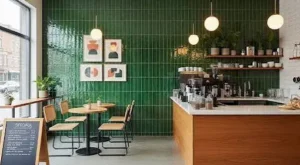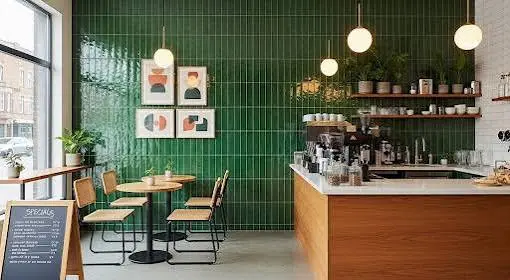
Opening a small cafe involves a series of financial decisions that directly affect its ability to attract customers and remain profitable. While coffee machines, kitchen equipment, and commercial rent often account for a large portion of the initial investment, setting up the customer-facing areas can be equally demanding.
Furniture, lighting, service counters, tableware, and payment systems all compete for a share of the startup budget. Individually, these purchases may seem manageable, but their combined cost can quickly exceed initial estimates. Even seemingly minor expenses, such as furniture delivery or custom menu printing, can put additional pressure on available funds.
A successful front-of-house setup requires more than an attractive interior. It must accommodate daily customer traffic, support employees during busy periods, and withstand years of commercial use. Every purchasing decision should reflect these priorities while protecting the financial resources needed to operate the business beyond opening day.
Build Your Budget Around the Customer Journey
The first step in budgeting for a cafe is understanding how customers will use the space. Before selecting furniture or discussing renovation plans with contractors, establish your service model, anticipated customer volume, and the type of experience you want to offer.
A takeaway-focused coffee shop near a busy office district will have different requirements from a neighborhood cafe specializing in breakfast and brunch. The former may need a larger ordering area and a dedicated collection counter, while the latter benefits from comfortable seating and sufficient table space for meals. Spending money on features that do not support your business model reduces the capital available for more important purchases.
Plan the Layout Before Making Purchases
A detailed floor plan provides a practical foundation for your budget. Measure the entire premises, including entrances, windows, structural columns, electrical outlets, and existing fixtures. Identify where customers will order, wait, collect their purchases, and sit.
Pay particular attention to the relationship between the service counter and seating areas. During busy periods, a queue can easily extend into dining spaces or block access to the entrance. Correcting these problems after installation may require moving furniture, relocating equipment, or modifying permanent fixtures.
Use masking tape to mark the proposed dimensions of tables, counters, and service stations directly on the floor. This inexpensive exercise allows you to assess the available space before committing to purchases. Walk through the proposed layout while carrying a serving tray to identify potential obstacles.
Existing infrastructure should also influence your spending decisions. Positioning the service counter near suitable electrical and plumbing connections may eliminate unnecessary construction work. Similarly, retaining existing shelving or storage units could free up money for higher-quality seating.
Establish a Realistic Seating Capacity
Seating capacity influences both setup costs and revenue potential. However, fitting as many tables as possible into a small property does not necessarily improve profitability.
Customers need sufficient room to sit comfortably, move their chairs, and place personal belongings without disturbing neighboring tables. Employees must also be able to deliver orders and clear dishes without navigating narrow passages.
A mixture of two-person tables, four-person tables, and counter seating can accommodate different customer groups. Smaller tables are particularly useful because staff can rearrange them when larger parties arrive.
Consider how seating arrangements relate to customer spending. A cafe serving substantial meals needs larger table surfaces than one specializing in espresso and pastries. A business attracting remote workers might require charging points and comfortable seating, but longer visits could reduce table turnover during peak hours.
Estimate revenue using realistic occupancy assumptions rather than maximum capacity. For example, a 25-seat cafe averaging three customers per seat throughout the day, with an average transaction value of $12, would generate $900 in daily sales. These figures provide a starting point for assessing how much the business can reasonably invest in its customer-facing areas.
Protect Your Available Working Capital
Front-of-house expenditure should remain separate from other startup costs. Rent deposits, employee wages, ingredients, insurance, kitchen equipment, and utility bills all require their own allocations.
Opening with an impressive interior but insufficient cash to cover the first few months of operation creates unnecessary financial pressure. Sales may take time to reach expectations, particularly in locations without established customer traffic.
Set a firm spending limit before approaching suppliers. Identify which purchases are necessary for opening, which improve the customer experience, and which can wait until the business produces consistent revenue.
This distinction makes budgeting decisions easier when unexpected expenses arise. Additional electrical work may be unavoidable, while decorative shelving or custom upholstery can usually be postponed.
Invest in Furniture, Fixtures, and Everyday Essentials
Furniture establishes much of a cafe’s appearance, but its practical value extends beyond interior design. Tables, chairs, counters, and storage units experience constant use, making durability and maintenance important considerations when comparing prices.
Purchasing the cheapest available products may reduce immediate expenditure, but frequent repairs and replacements can make the initial savings short-lived.
Choose Furniture That Can Handle Daily Commercial Use
Commercial furniture must withstand repeated movement, cleaning, spills, and customers of different sizes. Products designed primarily for residential use may deteriorate more quickly under these conditions, and their warranties may not cover commercial use.
When comparing restaurant tables and chairs for sale, examine the materials, frame construction, weight capacity, warranty terms, and availability of replacement components. A simple, well-constructed chair may offer better long-term value than a more decorative alternative at a similar price.
Tabletop materials deserve particular attention. Sealed wood, commercial-grade laminate, and other nonporous finishes can simplify routine cleaning. Delicate surfaces may require specialized products or frequent refinishing, increasing maintenance expenses.
Chair selection should reflect how customers typically use the cafe. Upholstered seating may suit establishments where visitors spend extended periods, while easy-to-clean wooden or metal chairs are often more practical for businesses with frequent table turnover.
Request samples before placing a substantial order. Test the stability of tables, assess the comfort of chairs, and inspect joints and fastenings. Small construction weaknesses become more significant when furniture receives hundreds of hours of use every month.
Consistency can also reduce future costs. Purchasing most of your furniture from a regularly stocked collection makes replacing individual pieces easier without disrupting the appearance of the interior.
Design a Service Counter That Supports Daily Operations
The service counter is one of the most frequently used areas in a cafe. It accommodates ordering, payment, product displays, takeaway supplies, and communication between customers and employees.
Custom-built counters can be expensive, particularly when they incorporate specialized materials, integrated lighting, or unusual dimensions. Standard or modular units may provide similar functionality at a considerably lower cost.
Determine what the counter needs to accommodate before requesting quotes. A pastry display, payment terminal, packaging supplies, and collection area all require dedicated space. Employees should be able to access frequently used items without interrupting colleagues or leaving customers waiting.
A cafe taking over an existing hospitality property may already have a suitable counter. Refinishing the surface, replacing cabinet handles, or updating the front panels can give it a new appearance without paying for a complete replacement.
Consider future maintenance when selecting materials. Countertops exposed to hot beverages, moisture, and frequent cleaning require finishes that tolerate regular commercial use. Decorative materials that stain easily or require specialized treatment can become a recurring expense.
Purchase Tableware Based on Actual Demand
Tableware purchases should reflect the menu, seating capacity, expected customer volume, and washing arrangements. Buying one cup and one plate for every available seat will rarely provide enough stock during busy periods.
A 25-seat cafe may require 60 coffee cups and a similar number of saucers to accommodate customers while other items are being collected or washed. The same principle applies to drinking glasses, plates, bowls, and cutlery.
Avoid ordering separate styles of tableware for every menu item. A carefully selected collection of plates and bowls can accommodate several dishes, reducing the initial investment and simplifying storage.
Replacement availability matters as much as appearance. Unusual imported designs may look appealing, but replacing broken pieces can involve significant delivery charges or lengthy waiting periods.
Takeaway supplies require a different approach because customers remove them from the premises. Estimate daily takeaway orders before purchasing disposable cups, lids, napkins, and food containers. Large wholesale orders can lower the unit price, but excessive stock ties up money and occupies valuable storage space.
Make Room for Storage and Outdoor Seating
Storage is frequently underestimated when planning a cafe interior. Additional menus, spare tableware, takeaway packaging, cleaning supplies, and seasonal accessories all need designated locations.
Under-counter cabinets and wall-mounted shelving can provide substantial storage without reducing customer seating capacity. Place frequently used supplies close to their designated service areas to reduce unnecessary movement during busy shifts.
Outdoor seating should have its own budget because it introduces different purchasing and maintenance requirements. Furniture must withstand weather exposure, while umbrellas, protective covers, and suitable bases add to the initial cost.
Check whether local authorities or your landlord require approval for outdoor seating before ordering furniture. A pavement area that appears suitable may have restrictions concerning pedestrian access or commercial use.
Starting with a limited outdoor setup allows you to assess seasonal demand before expanding. Additional tables can be purchased later if customer traffic consistently exceeds indoor capacity.
Create an Atmosphere Without Overspending
A distinctive cafe interior does not require expensive design materials or elaborate decorations. Customers often respond more positively to comfortable surroundings, thoughtful lighting, and a consistent visual identity than to costly architectural features.
The most practical approach involves identifying a small number of design elements that give the business its character while keeping the rest of the interior relatively simple.
Use Lighting to Improve the Space
Lighting affects how food appears, how comfortable customers feel, and how easily employees perform their duties. Poorly positioned fixtures can leave tables too dark while creating excessive brightness around service areas.
Combine general ceiling lighting with focused fixtures above the counter and selected dining areas. Pendant lights above individual tables can introduce character without requiring a complete redesign of the electrical system.
Natural daylight provides another opportunity to reduce energy consumption and improve the interior. Keep large windows free from unnecessary obstructions, and position seating where customers can benefit from natural light without excessive glare.
Installation expenses should form part of every lighting purchase. An affordable decorative fixture may require new wiring, ceiling modifications, or additional switches that substantially increase its final cost.
Energy-efficient LED lighting can also help limit recurring electricity expenses, especially in cafes operating from early morning until late evening.
Retain Existing Features Where Possible
A complete renovation is not always the best use of startup capital. Existing floors, exposed brickwork, structural beams, and service counters may already provide a suitable foundation for the interior.
Inspect flooring for damage, slip resistance, and commercial suitability before deciding whether to replace it. Professional cleaning, resealing, or localized repairs may deliver satisfactory results at a fraction of the cost of new flooring.
Wall finishes should accommodate frequent cleaning, particularly around dining tables and service stations. Washable paint may cost slightly more initially but can reduce the frequency of repainting.
When selecting new materials, consider the complete installed price. An inexpensive flooring product may require extensive preparation, while a more expensive alternative could involve fewer labor hours.
The same applies to custom carpentry. Standard shelving painted in your brand colors may achieve the desired appearance without the expense of individually manufactured units.
Establish Your Brand Through Targeted Design Choices
Branding is most valuable when customers can recognize and remember the business. Exterior signage, menus, packaging, and a consistent color scheme can establish a recognizable identity without requiring extensive decorative spending.
Exterior signage deserves particular attention because it communicates with people who have never visited the cafe. Assess its visibility from the pavement, surrounding roads, and different viewing angles.
Menu boards should prioritize readability over decoration. Customers who struggle to identify products and prices may take longer to order, creating unnecessary delays during busy periods.
Printed menus and interchangeable display boards offer a relatively affordable starting point. Digital menu screens may become worthwhile later, particularly if products and prices change frequently.
Branded packaging can also wait until sales patterns become clearer. Ordering thousands of customized takeaway cups before establishing demand creates an unnecessary inventory commitment. Plain packaging combined with branded stickers offers a lower-cost alternative during the early months.
Address Noise, Temperature, and Comfort
Customer comfort depends on more than furniture and visual appearance. Coffee grinders, conversations, kitchen activity, and moving chairs can create uncomfortable noise levels in small spaces.
Hard floors and bare walls tend to reflect sound. Upholstered benches, suitable acoustic panels, and furniture leg protectors can help reduce noise without requiring substantial structural work.
Temperature control deserves equal attention. Large windows, direct sunlight, crowded seating areas, and heat-producing equipment may influence indoor temperatures throughout the day.
Assess existing ventilation, heating, and air conditioning before finalizing the renovation budget. Discovering that the premises require additional cooling equipment shortly before opening could place considerable pressure on available funds.
Customers are more likely to appreciate comfortable temperatures, clean tables, appropriate lighting, and manageable noise levels than expensive decorative accessories that offer little practical benefit.
Account for Technology, Installation, and Overlooked Expenses
Some of the most underestimated startup expenses have little connection to interior appearance. Internet connections, payment equipment, safety requirements, and cleaning supplies can collectively consume thousands of dollars.
Identifying these expenses early helps prevent last-minute purchases from competing with money reserved for wages or inventory.
Evaluate the Long-Term Cost of Payment Systems
A point-of-sale system serves as the connection between customer orders, payment processing, and sales management. For a small cafe, a tablet-based system with a card terminal, receipt printer, and cash drawer may provide sufficient functionality.
The initial hardware price represents only part of the investment. Software subscriptions, payment processing fees, technical support, additional terminals, and reporting features can contribute to recurring costs.
A provider offering inexpensive or free hardware may charge higher transaction fees. For a cafe processing $30,000 in monthly card payments, the difference between a 1.5% and a 2.5% processing fee amounts to $300 per month, or $3,600 annually, before other charges.
Review contract conditions, cancellation fees, and hardware ownership before signing an agreement. Switching providers becomes more complicated when equipment is tied to a specific payment platform.
Reliable internet access is equally important. Budget for installation, networking equipment, and monthly subscriptions. Where possible, separate public customer Wi-Fi from the network used by payment systems and business devices.
Prepare for Accessibility and Safety Requirements
Commercial properties must comply with applicable local building, accessibility, and safety requirements. The necessary work depends on the location, building condition, and intended use of the premises.
Accessible entrances, restroom facilities, emergency lighting, evacuation signage, and fire protection equipment may require dedicated expenditure. Furniture arrangements can also affect access routes and emergency exits.
Discuss these requirements with the relevant authorities or qualified professionals before starting permanent renovation work. Moving a newly installed counter or modifying a completed restroom can cost considerably more than addressing the requirements during the planning stage.
Security equipment should reflect the value of assets stored on the premises and the risks associated with the location. Cameras, alarms, secure cash storage, and suitable locks may all warrant consideration.
Include Cleaning and Restroom Supplies
Cleaning supplies rarely appear in early interior design plans, despite being necessary from the first day of operation. Waste bins, mops, buckets, cleaning cloths, sanitizers, and protective gloves require both an initial investment and regular replenishment.
Restrooms also need soap dispensers, mirrors, toilet paper holders, waste containers, and hand-drying facilities. Commercial-grade accessories may offer better value than residential alternatives when customer traffic is consistent.
Calculate approximately how much the cafe will spend on consumables each month. An average expenditure of $20 per day amounts to $7,300 annually for a business operating every day.
This calculation highlights why small recurring expenses deserve attention alongside major equipment purchases.
Keep a Financial Reserve for Unexpected Work
Supplier quotations do not always include the full cost of getting a product into operational use. Freight charges, assembly, taxes where applicable, electrical connections, waste removal, and installation labor can increase the final amount considerably.
Imported furniture may involve customs charges, while custom fixtures often require deposits before manufacturing begins. Contractors may discover additional problems once existing flooring or wall coverings are removed.
A contingency reserve of 10% to 20% of planned setup costs provides a useful starting point. Older buildings or properties requiring substantial renovation may justify a larger allocation.
Keep this reserve separate from ordinary purchasing funds. Its purpose is to cover unexpected necessities, not to finance additional decorations or premium finishes.
From First Purchase to First Customer: Make Every Dollar Count
A front-of-house budget should function as a purchasing plan rather than a rough estimate of opening expenses. Every significant investment needs a defined purpose, expected cost, purchasing deadline, and place within the overall financial plan.
Maintaining an itemized spreadsheet allows you to compare supplier quotations, record deposits, track delivery dates, and identify outstanding payments. Update it whenever a purchase changes rather than waiting until the end of the renovation.
Establish a Practical Budget for Your Cafe
Consider a hypothetical 25-seat cafe opening in a property that already has suitable commercial plumbing, ventilation, and restroom facilities.
An allocation of $4,200 for tables, chairs, and stools could cover the primary seating requirements. A further $2,500 might go toward the service counter, with $1,000 reserved for tableware and serving accessories.
Lighting and minor electrical work could account for another $1,500, while flooring and wall improvements might require $2,000. Signage, menu boards, and decorations could take a combined $1,200.
Allowing $900 for payment equipment, $600 for networking and security, $600 for storage, $450 for cleaning and restroom supplies, and $550 for safety equipment brings the budget closer to operational readiness. An additional $700 covers delivery and assembly.
Together, these illustrative expenses amount to $16,200. Adding a 15% contingency reserve brings the planned investment to $18,630.
Actual costs will depend on location, supplier pricing, labor rates, property condition, and applicable taxes. This example excludes kitchen equipment, major structural work, rent, payroll, food inventory, and working capital.
Schedule Purchases in the Right Order
Purchasing decisions should follow the renovation schedule. Ordering furniture before confirming the final floor dimensions introduces unnecessary risks, while leaving custom fixtures until the last minute can delay opening.
Complete electrical work, flooring, painting, and permanent counter installations before bringing in most of the furniture. Store fragile tableware and decorative accessories away from active construction areas.
Confirm delivery dates and installation requirements directly with suppliers. An inexpensive product becomes considerably less attractive if its delayed arrival prevents the business from opening on schedule.
Arrange a trial service before welcoming paying customers. Ask employees to process orders, prepare drinks, deliver meals, clear tables, and restock supplies under realistic working conditions.
These exercises often reveal practical shortcomings that drawings and measurements cannot identify. Correcting minor problems before opening is generally less disruptive than making adjustments while serving customers.
Let Actual Customer Behavior Guide Future Investments
The first few months of trading provide valuable information about how the cafe operates. Customer preferences, purchasing habits, and employee feedback should influence future spending.
Observe which tables customers consistently choose, where queues develop, and whether certain seating areas remain empty. Monitor table turnover, average transaction values, and the frequency of equipment repairs.
These findings may reveal that additional two-person tables would generate more revenue than a decorative lounge area. Employees may identify storage improvements that reduce service times, while customers may demonstrate enough demand to justify expanding outdoor seating.
Evaluate each proposed upgrade according to its expected contribution to revenue, operating costs, or customer satisfaction. An investment should address an identifiable requirement rather than simply reflect a desire to improve the interior.
Opening a small cafe does not require purchasing everything at once. A comfortable, durable, and thoughtfully arranged front-of-house setup provides a strong foundation without exhausting available capital. By protecting working funds and allowing real customer demand to shape future purchases, owners can develop their premises alongsving their first cup of coffee.
Also Read
- Cedar Siding That Ages Well: How to Choose Shingles, Shakes and Specialty Lumber Before You Build
https://grammarexparts.com/odds-payouts-and-rtp-a-plain-english-guide-to-gaming-terms/
https://grammarexparts.com/a-criteria-based-path-back-to-sport-how-sports-physiotherapy-guides-safe-return-to-play/