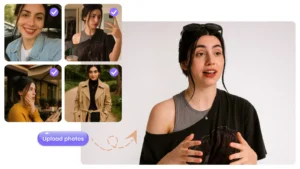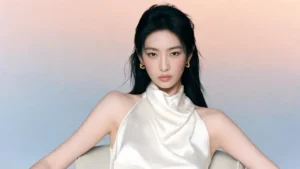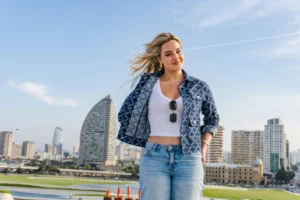
Artificial intelligence is changing the way people create and edit visual content. Tasks that once required professional photography equipment, advanced editing software, and hours of manual work can now be completed in just a few minutes. From creating original digital artwork to trying different clothing styles virtually, AI-powered tools are making visual creativity more accessible to everyone.
For content creators, online shoppers, fashion enthusiasts, and small businesses, these technologies offer practical ways to save time and explore new ideas. Platforms such as Vidnoz AI bring these capabilities together, helping users experiment with images and fashion without needing advanced technical skills.
The Growing Popularity of AI-Powered Image Creation
Creating attractive images is important for social media, websites, advertisements, presentations, and personal projects. However, not everyone has the design experience or resources needed to produce professional-looking visuals.
An AI image generator can simplify this process by turning written descriptions into visual content. Instead of drawing an image manually or searching through stock photo libraries, users can describe what they want and let artificial intelligence generate a visual based on their instructions.
For example, someone creating a travel blog might describe a peaceful beach at sunset, while an online business owner could request a modern product-style background. The generated image can provide a starting point for further creative work.
This approach is especially useful for people who regularly need fresh visual content but have limited time or design experience.
How an AI Image Generator Works
AI image generation uses machine learning models trained on large collections of visual information. These systems learn patterns involving colors, shapes, objects, backgrounds, lighting, and artistic styles.
When a user enters a text prompt, the system processes the description and generates an image that attempts to match the requested details.
A typical workflow includes:
- Write a description: Explain the subject, environment, colors, and visual style you want.
- Generate the image: Submit the prompt and allow the AI system to create a visual.
- Review the result: Check whether the image matches your original idea.
- Refine the prompt: Adjust details if you want a different composition or appearance.
- Use the final visual: Add the image to your content, design project, or creative presentation.
The quality of the result often depends on how clearly the user describes the desired image. Specific instructions generally produce more useful results than very short or vague prompts.
Virtual Fashion Experiments With AI Clothes Changing
Fashion is another area where artificial intelligence is creating new possibilities. Traditionally, trying different outfits required purchasing or borrowing clothing, arranging photography sessions, or using complicated photo-editing applications.
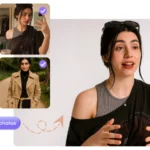
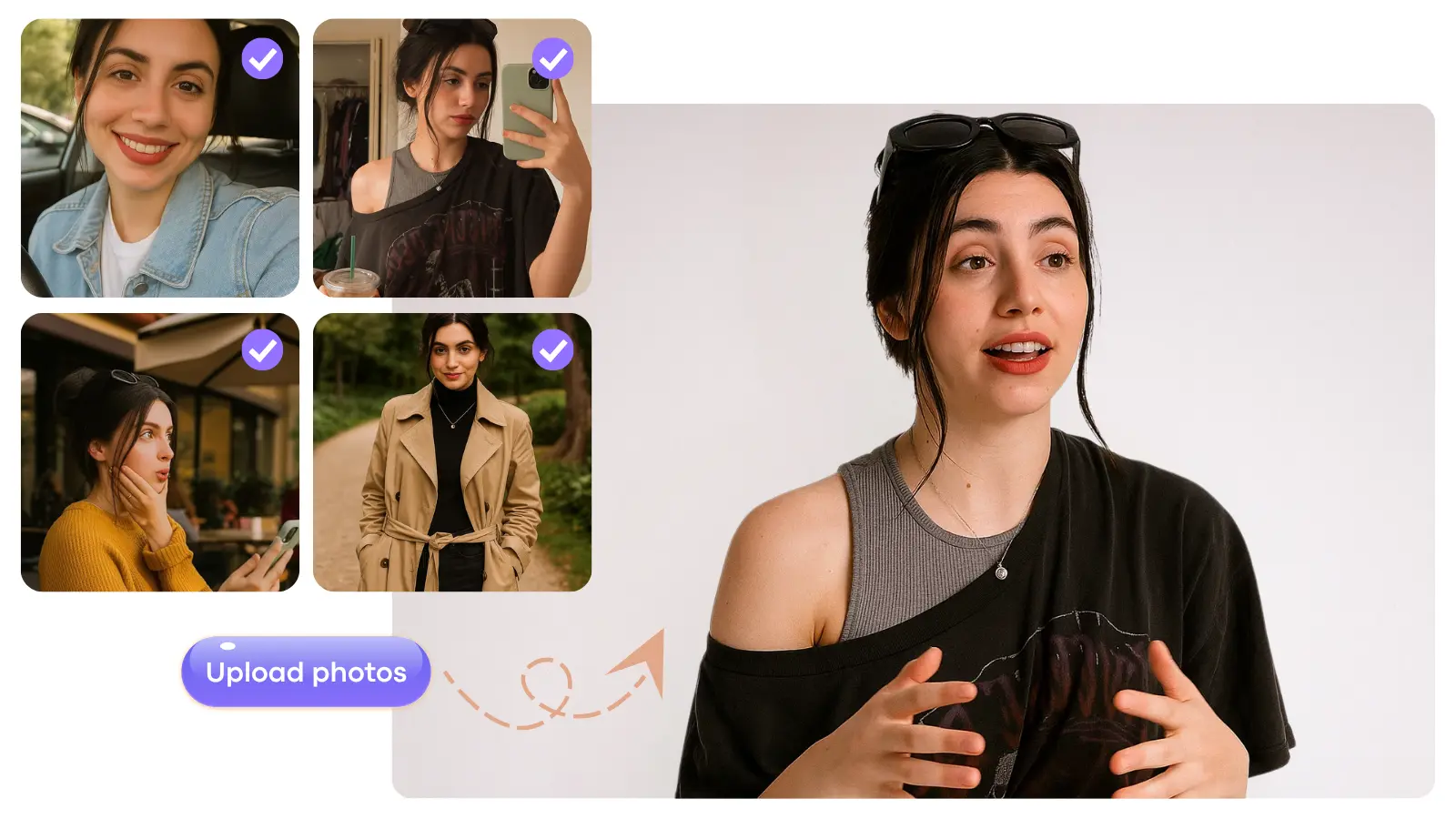
AI-powered fashion tools offer a more convenient alternative. An AI clothes changer can help users explore different clothing appearances through digital image editing.
Rather than physically changing outfits for every photograph, users can experiment with virtual fashion styles and see how different clothing options might look.
This technology can be interesting for people who enjoy exploring fashion trends, creating social media content, or planning outfits for different occasions.
Practical Uses of AI Clothes Changer Technology
Virtual clothing editing has applications beyond personal entertainment. It can also support digital marketing, fashion inspiration, and online content creation.
1. Exploring Different Fashion Styles
Users can experiment with different outfit ideas before deciding which styles they prefer. This makes it easier to explore casual, formal, seasonal, or creative fashion combinations.
2. Creating Social Media Content
Social media creators often need fresh and visually interesting posts. Virtual outfit changes can provide additional creative options without requiring multiple photography sessions.
3. Supporting Fashion Businesses
Small fashion businesses may use AI-assisted visuals during the early stages of content planning. They can explore presentation ideas and develop concepts before investing in professional product photography.
4. Saving Time During Creative Projects
Manually editing clothing in photographs can require considerable effort. AI-powered tools can simplify some editing tasks, allowing users to focus more on the overall visual concept.
However, generated results should always be reviewed carefully, especially when images are being used to represent real products.
Why Vidnoz AI Is Worth Exploring
Vidnoz AI provides online AI-powered creative tools designed to make digital content creation more accessible. Its image-generation and clothing-editing features can help users experiment with visual ideas without needing extensive graphic design knowledge.
One advantage of browser-based creative tools is convenience. Users can explore different possibilities without necessarily installing complicated desktop applications.
For beginners, a straightforward workflow can make a significant difference. Instead of spending hours learning professional editing software, they can focus on describing their ideas, reviewing the results, and making adjustments.
These tools can also support different creative needs. A blogger might generate an illustration for an article, while a fashion enthusiast could experiment with alternative clothing styles. Both activities involve visual creativity, but they solve different problems.
Tips for Getting Better Results
Although AI tools can simplify image creation and editing, the quality of the final output still depends on how they are used. A few practical habits can improve the experience.
- Use clear descriptions: Include important details about the subject, background, colors, and desired style.
- Experiment with different prompts: Small changes in wording can produce noticeably different results.
- Check image quality: Review faces, clothing details, proportions, and backgrounds before using an image.
- Respect image rights: Make sure you have permission to edit or use photographs, particularly when they contain other people.
- Be transparent: Avoid presenting AI-edited fashion images as genuine product photographs or unedited representations.
It is also important to remember that AI-generated visuals are not always perfect. Some results may contain unusual details or inaccuracies, so reviewing the final image is an essential step.
The Future of AI-Powered Visual Creativity
AI image generation and virtual fashion editing are making creative technology easier to access. People no longer need advanced technical skills to explore new visual concepts, produce digital artwork, or experiment with different clothing appearances.
As these technologies continue improving, they may become even more useful for content creators, online retailers, designers, and everyday users. The most effective approach is to treat AI as a creative assistant rather than a complete replacement for human judgment.
With tools such as Vidnoz AI, users can explore new ideas, save time, and develop visual content in more flexible ways. Whether the goal is generating an original image or experimenting with a different fashion look, AI-powered creativity offers plenty of opportunities to try something new.
Also Read
- https://grammarexparts.com/a-guide-to-jm8-games-exploring-online-gaming-categories-and-platform-features/
Cooling a Yoga or Meditation Room Without Noise or Harsh Drafts
https://grammarexparts.com/modern-lifestyle-trends-that-are-changing-the-way-people-spend-their-free-time/