Photo by Clay Banks on Unsplash
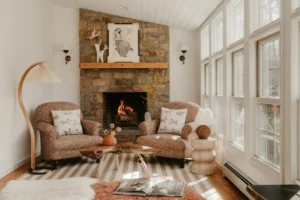
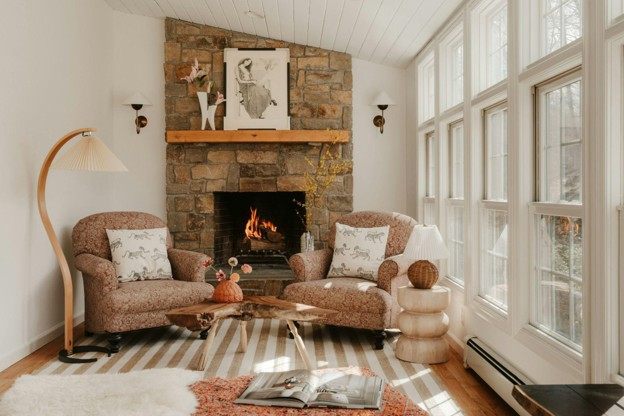
A comfortable home is more than a place to sleep, eat, and complete everyday responsibilities. It is a personal retreat where people can unwind, enjoy familiar activities, and recover from demanding schedules. The way a home is organized and decorated can significantly influence how welcoming and relaxing it feels.
Creating a peaceful atmosphere does not necessarily require expensive furniture or extensive renovations. Small adjustments to lighting, colors, textures, and room arrangements can make familiar spaces more comfortable. Thoughtful design involves understanding how different elements work together while considering the needs of everyone living in the household.
From cozy bedrooms to inviting outdoor areas, every part of a home offers opportunities for improvement. By focusing on comfort, practicality, and personal preferences, homeowners can create relaxing environments that support everyday well-being without sacrificing style or functionality.
Creating a Personal Wellness Corner at Home
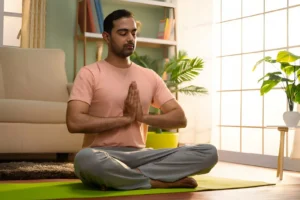
Dedicated relaxation areas have become increasingly appealing as people look for ways to separate personal downtime from household responsibilities. Even a small corner of a bedroom or living room can become a comfortable retreat with appropriate furniture and lighting.
A supportive armchair, soft blanket, and nearby bookshelf can create an inviting environment for quiet activities. Some homeowners also organize personal care products within these spaces, making familiar routines easier to enjoy.
Personalizing a relaxation space involves more than choosing furniture and lighting. The items people keep within easy reach can also influence how they experience their time at home, from favorite books and comfortable textiles to products associated with their personal wellness interests.
For those who enjoy incorporating hemp-derived products into their lifestyle, Medterra offers a selection that can become part of an individualized self-care routine. Keeping these personal essentials organized in a dedicated area adds another layer of convenience and makes the space feel more connected to individual preferences.
The result is a welcoming environment where thoughtful design, everyday comforts, and personal choices work together to create a relaxing atmosphere that remains practical for daily use.
Bringing Spa-Inspired Features Into Everyday Living
Spa-inspired home design has become popular among homeowners who appreciate peaceful environments and experiences associated with relaxation. Natural materials, gentle lighting, and carefully arranged bathing areas can make ordinary routines feel more enjoyable.
Some homeowners introduce dedicated wellness facilities into their properties, particularly when sufficient space and suitable infrastructure are available. Companies such as https://saunakits.com/ offer sauna kits for people interested in incorporating a traditional sauna experience into their home environment.
Planning such installations requires attention to ventilation, electrical requirements, suitable materials, and manufacturer instructions. Professional installation guidance can help ensure that specialized facilities are appropriate for the available space.
Smaller improvements can also introduce a spa-inspired atmosphere. Soft towels, organized bathroom storage, and natural finishes contribute to a comfortable setting without requiring major construction.
The most successful designs combine appealing surroundings with practical features that homeowners can enjoy regularly.
Choosing Colors That Create a Peaceful Atmosphere
Color plays an important role in establishing the character of a room. While personal preferences vary, certain palettes are frequently associated with comfortable and understated interior design.
Soft beige, muted green, warm gray, and gentle blue can provide versatile foundations for bedrooms and living areas. These shades work particularly well when combined with wooden furniture, natural fabrics, and subtle decorative accents.
However, peaceful interiors do not need to rely exclusively on neutral colors. Richer shades can create inviting spaces when used thoughtfully and balanced with appropriate lighting.
Homeowners should consider how colors appear throughout the day before making permanent decisions. Natural sunlight and artificial lighting can change the appearance of walls and furnishings considerably.
Testing small samples helps prevent disappointing results and allows a room’s existing features to guide the final selection.
Using Lighting to Make Rooms Feel More Inviting
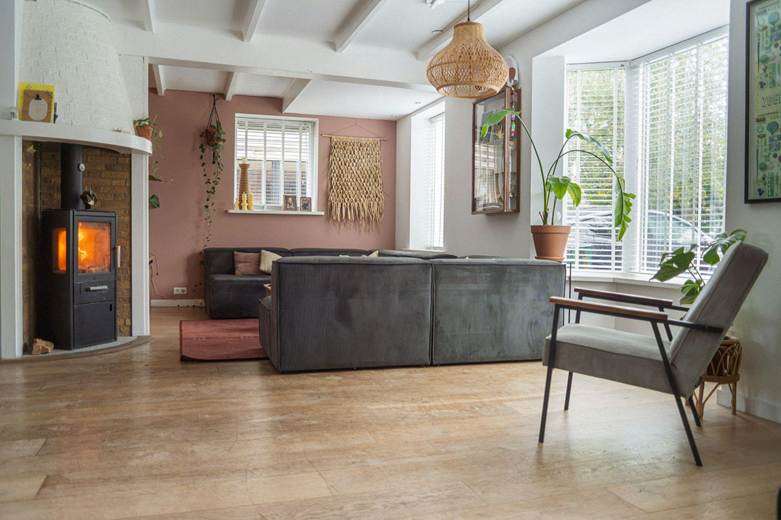
Photo by Sven Brandsma on Unsplash
Lighting can transform the atmosphere of a home without changing its furniture or layout. Bright overhead fixtures may be useful for practical tasks, but softer lighting often creates a more comfortable environment during quieter evenings.
Combining several light sources provides flexibility. Table lamps, wall fixtures, and adjustable floor lamps allow homeowners to illuminate specific areas according to different activities.
Natural daylight is equally valuable. Keeping windows unobstructed where practical can make rooms feel brighter and more connected to their surroundings.
Curtains and blinds offer additional control over privacy and brightness, particularly in bedrooms and spaces facing busy streets.
Warm lighting can complement natural materials and comfortable furnishings, while adjustable controls make it easier to transition between activities.
Thoughtful lighting design supports both visual comfort and the atmosphere homeowners want to create.
Reducing Clutter Without Losing Personal Character
A relaxing home should feel organized without becoming impersonal. Excessive clutter can make everyday activities more difficult, particularly when frequently used objects have no designated storage spaces.
Practical organization begins with identifying belongings that need to remain accessible. Shelves, drawers, baskets, and multifunctional furniture can help maintain order while preserving available floor space.
However, creating a comfortable environment does not require removing every decorative object. Family photographs, books, artwork, and meaningful keepsakes contribute to a home’s identity.
The challenge is finding a balance between practical organization and personal expression.
Reviewing storage arrangements periodically can help prevent unnecessary accumulation, especially in rooms serving several purposes.
When belongings are easy to locate and surfaces remain manageable, household routines often become more convenient.
Introducing Natural Materials and Indoor Greenery
Natural elements can bring warmth and visual interest into contemporary interiors. Wooden furniture, woven textiles, stone accessories, and indoor plants create connections with materials commonly found outdoors.
Houseplants are particularly versatile because they can complement different decorating styles. Larger plants may become focal points, while smaller varieties work well on shelves or side tables.
Plant selection should reflect available light, maintenance requirements, and household circumstances. Homes with pets require additional care because certain decorative plants can be toxic to animals.
Natural textures also contribute to comfortable interiors. Linen curtains, cotton cushions, and wooden surfaces can soften rooms dominated by metal, glass, or electronic equipment.
Combining these materials thoughtfully allows homeowners to introduce variety without overwhelming the space.
Designing a Home That Supports Everyday Comfort
The most effective relaxing interiors reflect how people actually use their homes. A beautiful room may still feel inconvenient when furniture restricts movement or essential items are difficult to access.
Comfortable seating, practical storage, and flexible layouts help spaces accommodate changing activities throughout the day. Bedrooms benefit from appropriate bedding and reduced distractions, while living rooms should support both relaxation and conversation.
Homeowners can begin with the areas where small improvements would make the greatest difference. Adjusting furniture placement, replacing uncomfortable textiles, or improving lighting may deliver meaningful benefits without substantial spending.
Ultimately, creating a relaxing home is not about reproducing a particular decorating trend. It involves combining thoughtful design with individual preferences and everyday practicality.
When comfort, organization, and personal character work together, a home becomes more than an attractive interior. It becomes a welcoming environment where people can genuinely enjoy spending their time.
Cooling a Yoga or Meditation Room Without Noise or Harsh Drafts