A reliable heating and cooling system makes everyday life more comfortable, regardless of the weather outside. During summer, air conditioners remove excess heat from indoor spaces. Meanwhile, heating equipment provides warmth when temperatures fall. However, these systems require consistent attention to maintain efficient performance.
Many homeowners overlook basic HVAC maintenance because their equipment continues operating without obvious problems. Unfortunately, minor issues can gradually increase electricity consumption, reduce comfort, and eventually cause expensive mechanical failures.
Fortunately, homeowners can prevent many problems through regular inspections and simple maintenance habits. Cleaning filters, monitoring airflow, adjusting thermostat settings, and scheduling professional servicing can help protect HVAC equipment.
Furthermore, preventive maintenance gives homeowners greater control over energy expenses while supporting dependable indoor comfort throughout the year.
Why Regular HVAC Maintenance Makes a Difference
Heating and cooling equipment contains several components that must work together efficiently. Compressors, motors, fans, coils, controls, and ductwork all contribute to maintaining comfortable indoor temperatures.
However, dust accumulation, restricted airflow, and mechanical wear can reduce system performance.
For example, dirty coils may interfere with heat transfer, forcing an air conditioner to operate longer. Similarly, loose electrical connections can create operational problems that require professional attention.
Consequently, neglected equipment may consume additional energy without delivering better comfort.
The ENERGY STAR HVAC maintenance checklist recommends routine equipment inspections to identify problems before they affect system reliability.
Therefore, homeowners should establish a consistent maintenance schedule rather than waiting for an unexpected breakdown.
Change Air Filters Before They Become Clogged
Air filters protect HVAC equipment by capturing dust, pet hair, pollen, and other airborne particles.
Nevertheless, these particles gradually accumulate and restrict airflow.
When airflow becomes limited, heating and cooling equipment may struggle to distribute conditioned air effectively.
As a result, rooms may feel uncomfortable, and the system may operate longer than necessary.
Homeowners should inspect air filters monthly during periods of heavy usage. Additionally, they should replace filters according to manufacturer instructions and household conditions.
Homes with multiple pets or significant dust exposure may need more frequent replacements.
The ENERGY STAR heating and cooling guide recommends regular filter inspections to maintain system performance.
A simple filter replacement can therefore protect expensive equipment while supporting efficient operation.
Keep Outdoor Units Clean and Unobstructed
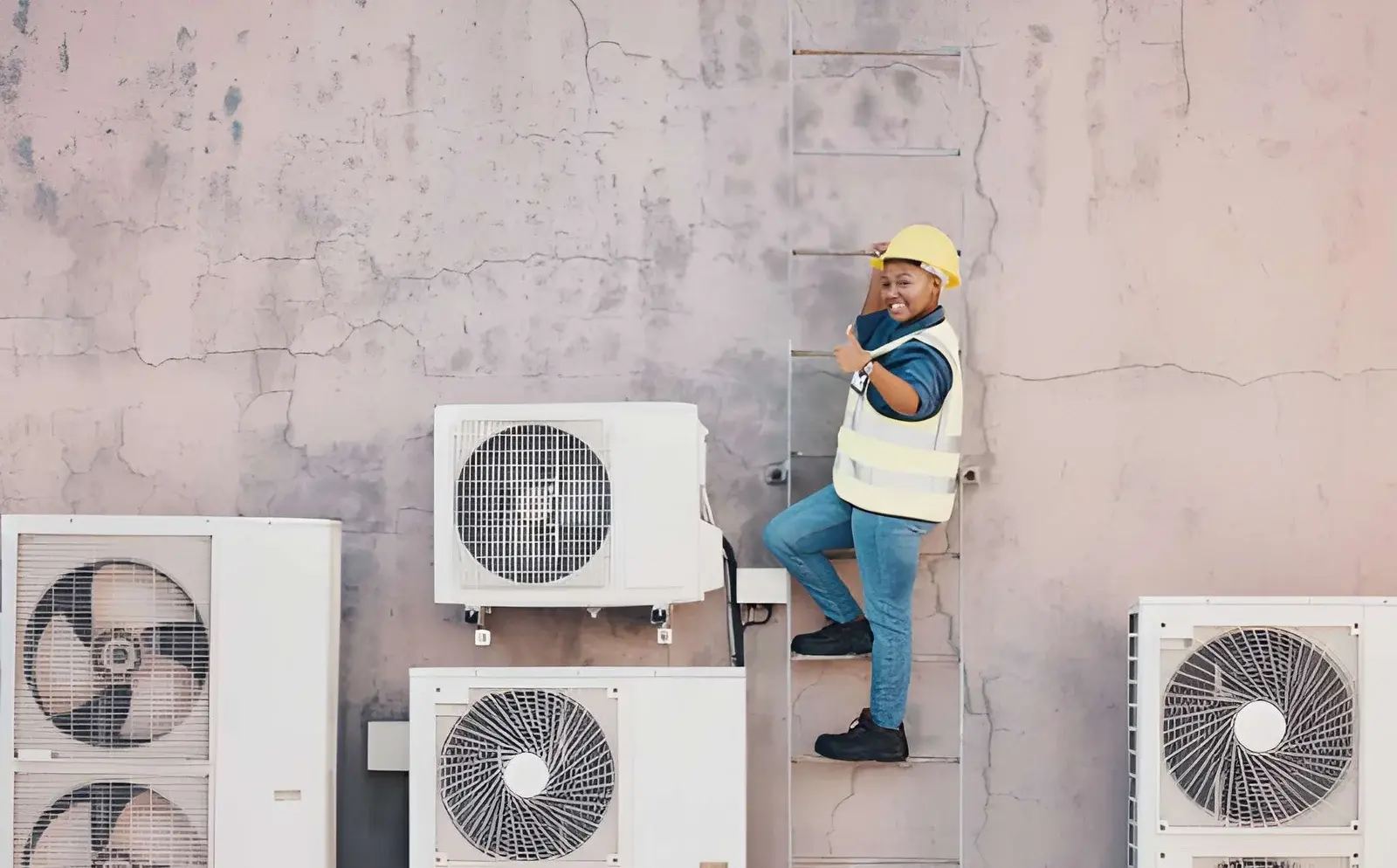
Outdoor condenser units require sufficient airflow to release heat effectively.
However, grass clippings, fallen leaves, weeds, and accumulated dirt can obstruct airflow around the equipment.
Consequently, the cooling system may experience additional strain during hot weather.
Homeowners should remove loose debris and maintain adequate clearance around outdoor units.
Furthermore, trimming nearby plants can prevent vegetation from interfering with airflow.
However, homeowners should avoid bending delicate metal fins or opening electrical compartments.
Qualified technicians can perform deeper cleaning and inspect internal components when necessary.
Regular outdoor maintenance supports effective heat transfer and helps equipment operate under suitable conditions.
Monitor Unusual Sounds and Performance Changes
HVAC equipment often reveals developing problems through changes in sound or performance.
For instance, unusual rattling may suggest loose components, while grinding noises can indicate mechanical wear.
Additionally, repeated short cycling, weak airflow, or inconsistent temperatures may signal that something requires attention.
Homeowners should also monitor electricity bills for unexpected increases.
Although seasonal weather changes can affect energy consumption, a significant increase without an obvious explanation deserves investigation.
Rather than ignoring warning signs, homeowners should contact a qualified technician when symptoms persist.
Early diagnosis can help prevent additional damage and provide more repair options.
Furthermore, prompt attention reduces the likelihood of equipment failing during extreme weather.
Schedule Professional HVAC Servicing
Although homeowners can complete basic cleaning and inspections, professional maintenance remains essential for more complicated tasks.
HVAC equipment contains electrical components, moving parts, and refrigerant circuits that require specialized training.
During an inspection, technicians can examine electrical connections, test controls, inspect coils, evaluate airflow, and check condensate drainage.
Additionally, they can identify worn components before they cause larger problems.
Homeowners seeking local maintenance assistance can explore professional options such as HVAC services in Madison.
Likewise, residents in warmer climates may consider providers such as E.C. Waters Air Conditioning & Heat when evaluating cooling-system maintenance.
Before hiring any contractor, homeowners should verify credentials, service availability, and customer reviews.
Improve Thermostat Settings for Better Efficiency
Thermostat settings directly influence how frequently heating and cooling equipment operates.
Maintaining the same indoor temperature when nobody is home may increase unnecessary energy consumption.
Fortunately, programmable thermostats allow homeowners to adjust temperatures according to daily routines.
For example, a household can reduce cooling demand during working hours and restore comfortable conditions before family members return.
Additionally, smart thermostats provide convenient remote access and useful operating information.
However, homeowners should choose settings appropriate for their system type, especially when operating heat pumps.
Effective temperature management can reduce unnecessary HVAC runtime without compromising comfort.
Keep Supply and Return Vents Clear
Proper airflow helps distribute conditioned air evenly throughout the home.
Unfortunately, furniture, curtains, rugs, and stored belongings sometimes block supply or return vents.
These obstructions can affect airflow and create uncomfortable temperature differences between rooms.
Therefore, homeowners should inspect accessible vents periodically.
Remove visible dust from vent covers and make sure household items do not block air movement.
Additionally, pay attention to rooms that consistently remain warmer or colder than surrounding areas.
Persistent problems may indicate duct leakage, poor airflow balance, or mechanical issues.
A professional inspection can identify the underlying cause and prevent unnecessary adjustments.
Address Duct Leakage and Insulation Problems
Even well-maintained HVAC equipment can waste energy when the home has significant air leaks.
Damaged duct connections may allow conditioned air to escape into attics, crawl spaces, or other unoccupied areas.
Similarly, poor insulation and worn weatherstripping increase heating and cooling requirements.
Consequently, the equipment works longer to maintain comfortable temperatures.
Homeowners should inspect accessible duct connections and exterior seals for visible deterioration.
Furthermore, improving attic insulation and sealing drafts can support more consistent indoor temperatures.
ENERGY STAR’s energy-efficient heating and cooling recommendations identify duct sealing and insulation as important opportunities to improve household efficiency.
These improvements can reduce unnecessary energy use without requiring immediate HVAC replacement.
Protect Condensate Drainage Components
Air conditioners remove moisture from indoor air during cooling.
Normally, the resulting condensation flows through a drain line into an appropriate drainage location.
However, dirt and biological buildup can eventually obstruct the line.
When drainage becomes restricted, water may collect around indoor equipment and damage nearby materials.
Homeowners should inspect accessible drain pans and watch for unusual moisture around HVAC units.
Additionally, they should follow manufacturer recommendations for routine drainage maintenance.
If water begins overflowing, homeowners should arrange professional service promptly.
A clear drainage system helps prevent moisture damage and supports reliable cooling performance.
Choose Qualified HVAC Contractors
Professional expertise matters when diagnosing HVAC problems or planning equipment upgrades.
Experienced technicians can assess system performance, explain repair options, and recommend appropriate maintenance procedures.
Therefore, homeowners should evaluate contractors based on qualifications, relevant licensing, customer feedback, warranties, and service transparency.
For example, homeowners researching HVAC services in Springdale, AR can compare local maintenance and repair options.
Similarly, companies such as Casa Mechanical Services provide another starting point for reviewing professional service availability.
Before scheduling work, homeowners should request clear information about inspection procedures, service costs, and proposed repairs.
Choosing a qualified contractor helps homeowners make informed maintenance decisions.
Know When Repair or Replacement Makes Sense
Not every mechanical problem requires complete HVAC replacement.
In many cases, repairing a relatively new system provides a practical and affordable solution.
However, older equipment may develop recurring problems that increase maintenance expenses.
Homeowners should consider equipment age, repair frequency, efficiency, and overall performance before making major decisions.
Additionally, they should compare the cost of continued repairs with the expected benefits of replacement.
Professional installation also matters.
Services such as air conditioning installation involve more than placing new equipment inside a home. Contractors must consider system sizing, airflow, duct conditions, and operating requirements.
Correct installation helps new equipment achieve reliable performance and suitable efficiency.
Maintain Indoor Air Quality
HVAC maintenance also contributes to indoor air quality.
Dirty filters, excessive humidity, and inadequate ventilation can make indoor environments less comfortable.
Therefore, homeowners should maintain appropriate filtration and investigate persistent moisture problems.
The EPA’s residential air filtration guidance explains how suitable filtration can help reduce certain airborne particles.
However, filtration works best alongside ventilation and control of indoor pollution sources.
Homeowners should also avoid installing filters that exceed their equipment’s airflow capabilities.
When necessary, an HVAC professional can recommend compatible filtration and humidity-control solutions.
Develop a Simple Seasonal HVAC Checklist
Consistent maintenance becomes easier when homeowners organize tasks by season.
A practical routine includes:
- Spring: Replace filters, inspect outdoor units, and schedule cooling maintenance.
- Summer: Monitor cooling performance, maintain airflow, and review electricity consumption.
- Autumn: Inspect heating equipment, check thermostat settings, and schedule heating maintenance.
- Winter: Monitor system performance, replace dirty filters, and investigate unusual heating problems.
Furthermore, homeowners should record maintenance dates, repairs, and recurring performance issues.
These records help identify patterns and support long-term equipment planning.
Conclusion
Routine HVAC maintenance helps homeowners reduce avoidable energy consumption, protect equipment, and prevent unexpected repair expenses.
Simple practices such as changing filters, clearing outdoor equipment, monitoring unusual sounds, and maintaining unobstructed vents can improve heating and cooling performance.
Additionally, professional servicing, effective thermostat management, proper insulation, and duct repairs can support greater efficiency.
Most importantly, homeowners should address developing problems before they turn into emergencies.
By following a consistent maintenance schedule and working with qualified professionals when necessary, households can enjoy reliable indoor comfort, manage energy expenses, and protect their heating and cooling systems for years to come.