Homeownership involves more than paying the mortgage and decorating living spaces. Every house requires ongoing attention to remain safe, comfortable, and structurally sound. Unfortunately, many homeowners overlook routine maintenance until something breaks, leaks, or stops working entirely.
Small issues can quickly develop into expensive repairs. For example, a minor plumbing leak may damage cabinets and flooring, while neglected roof flashing can allow moisture to reach insulation and ceilings. Consequently, homeowners may spend considerably more fixing preventable damage than they would on early repairs.
Fortunately, an annual home maintenance checklist provides a practical solution. By organizing inspections, cleaning tasks, and equipment servicing throughout the year, homeowners can reduce unexpected expenses and protect their investments.
Furthermore, preventive maintenance improves energy efficiency, extends equipment life, and helps preserve long-term property value.
Why Regular Home Maintenance Makes Financial Sense
Preventive maintenance allows homeowners to address small problems before they cause widespread damage.
Consider a damaged window seal. Initially, the problem may create a minor draft. However, continued exposure to moisture can eventually damage surrounding materials and increase heating or cooling requirements.
Similarly, a clogged gutter may appear harmless during dry weather. Once heavy rainfall arrives, overflowing water can affect siding, landscaping, and foundation drainage.
Regular inspections help homeowners identify these issues early.
Moreover, planned repairs offer greater flexibility. Instead of urgently hiring the first available contractor, homeowners can compare estimates, evaluate repair options, and schedule work conveniently.
Therefore, maintenance provides financial benefits beyond simply reducing immediate repair expenses.
Inspect the Roof Before Leaks Develop
The roof protects a home from rain, snow, wind, and changing temperatures. However, constant exposure to weather gradually wears down roofing materials.
Homeowners should arrange periodic roof inspections, particularly after severe storms.
During an inspection, professionals can identify missing shingles, deteriorated flashing, damaged vents, and signs of moisture infiltration.
Additionally, homeowners can examine ceilings and attic spaces for water stains or damp insulation.
These warning signs may indicate roofing problems that require attention.
Nevertheless, homeowners should avoid climbing steep or damaged roofs without appropriate training and safety equipment.
Addressing small roofing issues promptly can help prevent expensive interior repairs and structural deterioration.
Maintain Gutters and Drainage Systems
Gutters direct rainwater away from exterior walls and foundations. However, leaves, dirt, and branches can accumulate inside them.
As debris builds up, water may overflow instead of flowing through downspouts.
Consequently, moisture can collect near foundation walls, damage landscaping, and contribute to basement water problems.
Homeowners should inspect gutters regularly and remove accumulated debris when necessary.
Additionally, they should verify that downspouts release water away from the foundation.
Homes surrounded by trees may require more frequent cleaning.
Where appropriate, gutter guards can reduce the amount of large debris entering the system, although they still require inspection and occasional maintenance.
Proper drainage management helps protect the building’s exterior and reduces avoidable moisture-related damage.
Check Plumbing Connections for Hidden Leaks
Plumbing leaks often develop slowly and remain unnoticed for extended periods.
A dripping faucet, loose pipe connection, or leaking toilet can waste water while gradually damaging nearby materials.
Therefore, homeowners should inspect accessible plumbing fixtures throughout the year.
Check beneath kitchen sinks, behind toilets, around washing machines, and near water heaters.
Furthermore, monitor water bills for unusual increases.
The EPA’s WaterSense home maintenance guidance recommends regular leak inspections and prompt repairs to reduce water waste and potential property damage.
Homeowners can also inspect their water meter when no fixtures are running to identify possible hidden leaks.
By addressing small plumbing problems early, families can avoid unnecessary water expenses and reduce the risk of moisture damage.
Service Heating and Cooling Equipment
Heating and cooling systems work throughout the year to maintain comfortable indoor temperatures.
However, dust accumulation, dirty filters, and worn mechanical components can gradually reduce system performance.
As a result, equipment may consume additional energy while struggling to maintain the desired temperature.
Homeowners should inspect filters regularly and replace or clean them according to manufacturer instructions.
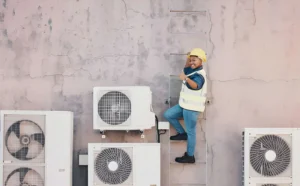
Additionally, professional technicians should examine important components such as coils, motors, electrical connections, and condensate drains.
The ENERGY STAR HVAC maintenance checklist outlines important inspection and servicing tasks that can improve efficiency and reliability.
Furthermore, scheduling maintenance before peak heating or cooling seasons helps reduce the chance of inconvenient breakdowns.
Consistent attention can support dependable comfort and extend the useful life of major equipment.
Improve Insulation and Reduce Air Leakage
Energy efficiency depends on more than properly functioning appliances.
A home may lose conditioned air through gaps around windows, exterior doors, attic access points, and wall penetrations.
Consequently, heating and cooling equipment must work harder to maintain comfortable temperatures.
Homeowners should inspect weatherstripping and caulking for cracks, gaps, and deterioration.
Replacing worn seals can reduce drafts and improve indoor comfort.
In addition, attic insulation should remain properly distributed without blocking required ventilation openings.
According to the U.S. Department of Energy’s energy efficiency guidance, air sealing and insulation improvements can reduce wasted energy and improve overall household comfort.
Therefore, homeowners should evaluate insulation and air leakage when reviewing unusually high utility bills.
Maintain Water Heaters and Major Appliances
Water heaters, refrigerators, washing machines, and other household appliances require periodic maintenance.
For example, sediment can accumulate inside storage water heaters, particularly in locations with hard water.
This buildup may reduce performance and contribute to operating problems.
Homeowners should inspect the water heater for corrosion, leaks, unusual sounds, and inconsistent water temperatures.
Additionally, they should follow manufacturer recommendations for flushing, inspection, and servicing.
Other appliances deserve attention as well.
Cleaning refrigerator condenser coils where accessible and recommended, checking washing machine hoses, and maintaining dishwasher filters can support reliable performance.
Furthermore, homeowners should inspect dryer exhaust systems and remove accumulated lint to reduce fire hazards.
When appliances approach the end of their expected service life, planning replacements can help avoid emergency purchases.
Protect Windows, Doors, and Exterior Surfaces
Exterior surfaces face constant exposure to sunlight, moisture, and temperature changes.
Over time, paint may peel, wooden trim may deteriorate, and sealants can lose flexibility.
Consequently, small openings may allow moisture to enter walls or window assemblies.
Homeowners should inspect siding, door frames, window trim, and exterior paint at least annually.
Look for cracked caulking, loose materials, deteriorating wood, and visible water stains.
Additionally, inspect exterior doors for damaged seals and alignment problems.
Prompt repairs can protect surrounding building materials while preserving appearance.
Moreover, properly maintained exterior surfaces can improve curb appeal and support the property’s resale value.
Test Electrical and Household Safety Equipment
Routine home maintenance should include essential safety checks.
Homeowners should inspect accessible outlets and switches for discoloration, unusual warmth, or signs of damage.
However, electrical repairs should remain in the hands of qualified electricians.
Additionally, test smoke alarms and carbon monoxide detectors according to manufacturer instructions.
The U.S. Fire Administration’s smoke alarm guidance recommends monthly testing and replacing smoke alarms when they reach ten years of age.
Homeowners should also inspect fire extinguishers and keep emergency exits accessible.
These precautions help protect occupants and reduce the likelihood of serious property damage.
Examine Foundations and Outdoor Drainage
The ground surrounding a home influences how rainwater moves around the structure.
Poor drainage can allow water to collect near foundations, basement walls, and crawl spaces.
Therefore, homeowners should inspect exterior grading and look for standing water after heavy rainfall.
Additionally, examine visible foundation surfaces for new cracks or unusual changes.
Although small cracks do not always indicate serious structural problems, expanding cracks or persistent moisture deserve professional evaluation.
Homeowners should also inspect patios, walkways, and retaining walls for movement or deterioration.
Early investigation can prevent smaller drainage concerns from becoming more complicated structural repairs.
Organize Maintenance Tasks by Season
Completing every maintenance task at once can feel overwhelming.
Fortunately, dividing responsibilities into seasonal groups makes the process more manageable.
A practical schedule includes:
- Spring: Inspect roofs, gutters, drainage, siding, and exterior surfaces after winter.
- Summer: Service air conditioning, inspect outdoor plumbing, and complete exterior repairs.
- Autumn: Clean gutters, inspect heating equipment, seal drafts, and prepare for colder weather.
- Winter: Check indoor plumbing, safety equipment, water heaters, and moisture-prone areas.
Additionally, homeowners should perform certain tasks, such as checking leaks and testing smoke alarms, more frequently.
This structured approach encourages consistency without creating unnecessary pressure.
Create a Maintenance Budget and Record
Even well-maintained homes eventually require repairs and equipment replacements.
Therefore, homeowners should set aside money for predictable maintenance expenses.
A dedicated maintenance fund can cover inspections, minor repairs, replacement filters, professional servicing, and unexpected problems.
Furthermore, keeping detailed records makes financial planning easier.
Document service dates, inspection findings, repair costs, appliance warranties, and contractor information.
These records help identify recurring issues and provide useful information when evaluating major replacements.
They may also reassure prospective buyers that the homeowner has maintained the property responsibly.
Conclusion
An annual home maintenance checklist helps homeowners protect their property while reducing preventable repair expenses.
Regular roof inspections, gutter cleaning, plumbing checks, HVAC servicing, and insulation improvements can prevent small problems from becoming major financial burdens.
Furthermore, maintaining appliances, exterior surfaces, drainage systems, and safety equipment supports a more comfortable and reliable living environment.
Most importantly, homeowners should approach maintenance as an ongoing responsibility rather than an emergency response.
By organizing tasks throughout the year, tracking repairs, and addressing warning signs promptly, homeowners can reduce unexpected expenses, preserve property value, and enjoy greater peace of mind for years to come.
Also Read
- GNG Meaning in Texting What “GNG” Means in Chats, Slang, and Social Media
- Harlan Crow Net Worth 2026: Wife, Age, Business, Family, and Biography
- ICL Meaning Explained: What Does ICL Mean in Medicine, and Business?